Audit & Tax
Audit & Tax
Which Hong Kong companies
must prepare accounts and be audited?
In Hong Kong, even companies that have no operations must still prepare an audit report before filing a "nil return"; companies that do have operations must complete bookkeeping and auditing before they can file taxes.
How to determine whether a company is
“carrying on business”?
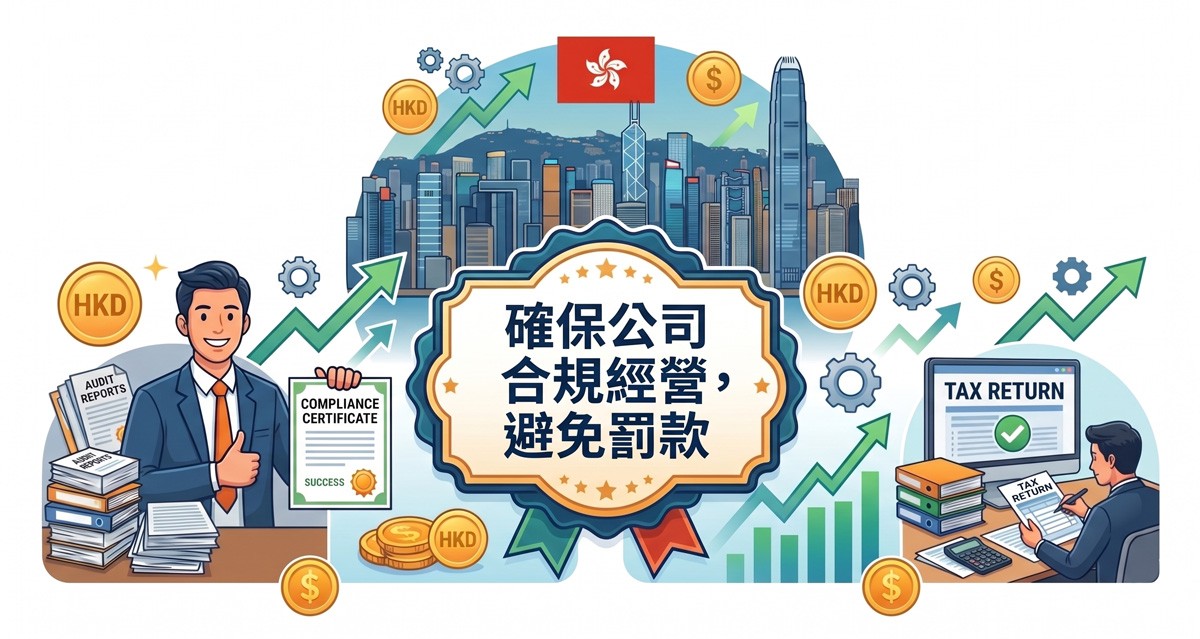
As long as you conduct commercial transactions or activities in the company’s name, it means you have already started carrying on business. You can determine this from the following 8 aspects, if any one of them applies, it is deemed to be carrying on business:
Bank records: the bank account already has transaction records;
Import and export records: Government customs and logistics companies have already left import and export records;
Commercial dealings: having purchase and sales relationships with Hong Kong traders;
Hiring staff: employees have already been hired in Hong Kong;
Intellectual property: permitting or authorising the use in Hong Kong of materials such as patents, trademarks and designs;
Movable property leasing: allowing or authorising the use of movable property in Hong Kong in return for rent, lease fees or other charges;
Sales agency services: entrusted for consignment sales in Hong Kong;
Other profits: any other profits derived from or arising in Hong Kong.
How to determine whether a company is
“carrying on business”?
As long as you conduct commercial transactions or activities in the company’s name, it means you have already started carrying on business. You can determine this from the following 8 aspects, if any one of them applies, it is deemed to be carrying on business:
Bank records: the bank account already has transaction records;
Import and export records: Government customs and logistics companies have already left import and export records;
Commercial dealings: having purchase and sales relationships with Hong Kong traders;
Hiring staff: employees have already been hired in Hong Kong;
Intellectual property: permitting or authorising the use in Hong Kong of materials such as patents, trademarks and designs;
Movable property leasing: allowing or authorising the use of movable property in Hong Kong in return for rent, lease fees or other charges;
Sales agency services: entrusted for consignment sales in Hong Kong;
Other profits: any other profits derived from or arising in Hong Kong.
Time for the First Tax Return Filing A Hong Kong company will receive its first Profits Tax Return 18 months after incorporation, and the filing deadline is within 3 months.
Time for the Second and Subsequent Tax Return Filings At the time of the first tax filing, a practising accountant will confirm your financial year, and all subsequent tax filing periods will be filed according to the financial year confirmed at the first filing.
Time for the first tax filing A Hong Kong company will receive its first Profits Tax Return after it has been established for 18 months, and the filing period is within 3 months.
Time for the second and subsequent tax filings When filing taxes for the first time, a practising accountant will confirm the accounting year for you; all subsequent tax filing periods will be filed according to the accounting year confirmed at the first filing.
Does not filing tax returns have any impact on
setting up a company in Hong Kong?
Illegal Risk: The Hong Kong Companies Ordinance clearly stipulates that once a tax return is received, it must be filed.
Account Freezing: Failing to file taxes will directly lead to the freezing of Hong Kong bank accounts, affecting the company’s cash flow.
Compulsory Deregistration and Blacklisting: The company will face the risk of compulsory deregistration, and the company’s directors will be placed on an immigration blacklist.
Illegal Risk: Hong Kong company tax regulations clearly stipulate that any tax return received must be filed.
Account Freeze: Failing to file tax returns will directly result in Hong Kong bank accounts being frozen, affecting the company’s cash flow.
Mandatory Deregistration and Blacklist: The company will face the risk of being compulsorily deregistered, and the company’s directors will be placed on an immigration blacklist.
Bookkeeping and Tax Filing Process
Bookkeeping and Tax Filing Process
Understand the company situation
Create a tax filing plan
Sign a Cooperation Agreement
Accountant Audit
Submit your tax return to the Inland Revenue Department
Popular Audit Information
🏦 Bank Investigation — CRS Global Tax Information Exchange System
🗓️ Policy Background
This policy has been in effect since 1 January 2017. The initial phase was for information collection, and tax exchange was officially implemented in 2018.
⚠️ Impact Explanation
If the Hong Kong Tax Department finds that a Hong Kong company has not filed tax returns, it will pass that information back to the Mainland tax authorities. After receiving the information, the Mainland tax authorities will verify the source of funds of the Hong Kong company. Once clarified, the company will be required to pay tax at either Mainland tax rates or Hong Kong tax rates, and will then face substantial tax charges.
Pass it back to Mainland tax authorities
Verify source of funds
Pay back taxes
Face substantial tax charges
🔄 What is the relationship between CRS and taxation?
🔍 Case analysis
For example, a Mainland resident has registered a company in Hong Kong, and the company account holds certain deposits. If the enterprise fails to file tax returns locally in Hong Kong, the Hong Kong Inland Revenue Department will pass the enterprise’s information to the State Taxation Administration.
🚨 Result
The Hong Kong Inland Revenue Department will pass the information to the State Taxation Administration.
👉 Shareholders are required to pay personal income tax in the Mainland.
🏦 Bank Investigation — CRS Global Tax Information Exchange System
🗓️ Policy Background
This policy has been in effect since 1 January 2017. The initial phase was for information collection, and tax exchange was officially implemented in 2018.
⚠️ Impact Explanation
If the Hong Kong Tax Department finds that a Hong Kong company has not filed tax returns, it will pass that information back to the Mainland tax authorities. After receiving the information, the Mainland tax authorities will verify the source of funds of the Hong Kong company. Once clarified, the company will be required to pay tax at either Mainland tax rates or Hong Kong tax rates, and will then face substantial tax charges.
Pass it back to Mainland tax authorities
Verify source of funds
Pay back taxes
Face substantial tax charges
🔄 What is the relationship between CRS and taxation?
🔍 Case analysis
For example, a Mainland resident has registered a company in Hong Kong, and the company account holds certain deposits. If the enterprise fails to file tax returns locally in Hong Kong, the Hong Kong Inland Revenue Department will pass the enterprise’s information to the State Taxation Administration.
🚨 Result
The Hong Kong Inland Revenue Department will pass the information to the State Taxation Administration.
👉 Shareholders are required to pay personal income tax in the Mainland.
Why does Hong Kong implement Automatic Exchange of Information (AEOI/CRS)?
As an international leading financial centre, Hong Kong must stay aligned with international standards and fulfil its international obligations. The implementation of the Automatic Exchange of Financial Account Information (AEOI) is a global standard established by the Organisation for Economic Co-operation and Development (OECD) to enhance global tax transparency and combat cross-border tax evasion. Hong Kong’s implementation of this policy is not only to prevent multinational corporations or individuals from using offshore accounts to conceal assets, but more importantly, to avoid being placed on the international organisations’ blacklist of “non-cooperative tax jurisdictions” (that is, the tax haven blacklist), thereby safeguarding Hong Kong’s strong international reputation and financial competitiveness.
How does automatic exchange of information affect individuals or entities?
The implementation of automatic exchange of information means the era of "offshore assets being completely invisible" has come to an end. The main impacts on individuals and entities (such as companies, trusts, etc.) include: Stricter account-opening checks: Whether for individuals or entities, when opening new accounts with Hong Kong financial institutions (such as banks, securities firms and insurance companies), they must complete a "self-certification form" and clearly declare their tax residency status and tax identification number (TIN). Greater transparency of financial account information: If an account holder is confirmed to be a tax resident of a "reportable jurisdiction" outside Hong Kong (for example, Mainland China), detailed information about their Hong Kong accounts (including account balances, interest, dividends and proceeds from the disposal of financial assets, etc.) will be collected annually by Hong Kong financial institutions and automatically exchanged through the Hong Kong Inland Revenue Department with the tax authority of that jurisdiction. Increased tax compliance risks: For individuals or businesses that are used to keeping funds in Hong Kong but have not legally filed taxes in their place of residence, the risk of tax audits will increase significantly. If they are found to have failed to make truthful disclosures, they may face severe back tax assessments and penalties. This requires businesses and individuals to put in place proper tax planning and compliant filings.
Why does Hong Kong implement Automatic Exchange of Information (AEOI/CRS)?
As an international leading financial centre, Hong Kong must stay aligned with international standards and fulfil its international obligations. The implementation of the Automatic Exchange of Financial Account Information (AEOI) is a global standard established by the Organisation for Economic Co-operation and Development (OECD) to enhance global tax transparency and combat cross-border tax evasion. Hong Kong’s implementation of this policy is not only to prevent multinational corporations or individuals from using offshore accounts to conceal assets, but more importantly, to avoid being placed on the international organisations’ blacklist of “non-cooperative tax jurisdictions” (that is, the tax haven blacklist), thereby safeguarding Hong Kong’s strong international reputation and financial competitiveness.
How does automatic exchange of information affect individuals or entities?
The implementation of automatic exchange of information means the era of "offshore assets being completely invisible" has come to an end. The main impacts on individuals and entities (such as companies, trusts, etc.) include: Stricter account-opening checks: Whether for individuals or entities, when opening new accounts with Hong Kong financial institutions (such as banks, securities firms and insurance companies), they must complete a "self-certification form" and clearly declare their tax residency status and tax identification number (TIN). Greater transparency of financial account information: If an account holder is confirmed to be a tax resident of a "reportable jurisdiction" outside Hong Kong (for example, Mainland China), detailed information about their Hong Kong accounts (including account balances, interest, dividends and proceeds from the disposal of financial assets, etc.) will be collected annually by Hong Kong financial institutions and automatically exchanged through the Hong Kong Inland Revenue Department with the tax authority of that jurisdiction. Increased tax compliance risks: For individuals or businesses that are used to keeping funds in Hong Kong but have not legally filed taxes in their place of residence, the risk of tax audits will increase significantly. If they are found to have failed to make truthful disclosures, they may face severe back tax assessments and penalties. This requires businesses and individuals to put in place proper tax planning and compliant filings.
Why does Hong Kong implement Automatic Exchange of Information (AEOI/CRS)?
As an international leading financial centre, Hong Kong must stay aligned with international standards and fulfil its international obligations. The implementation of the Automatic Exchange of Financial Account Information (AEOI) is a global standard established by the Organisation for Economic Co-operation and Development (OECD) to enhance global tax transparency and combat cross-border tax evasion. Hong Kong’s implementation of this policy is not only to prevent multinational corporations or individuals from using offshore accounts to conceal assets, but more importantly, to avoid being placed on the international organisations’ blacklist of “non-cooperative tax jurisdictions” (that is, the tax haven blacklist), thereby safeguarding Hong Kong’s strong international reputation and financial competitiveness.
How does automatic exchange of information affect individuals or entities?
The implementation of automatic exchange of information means the era of "offshore assets being completely invisible" has come to an end. The main impacts on individuals and entities (such as companies, trusts, etc.) include: Stricter account-opening checks: Whether for individuals or entities, when opening new accounts with Hong Kong financial institutions (such as banks, securities firms and insurance companies), they must complete a "self-certification form" and clearly declare their tax residency status and tax identification number (TIN). Greater transparency of financial account information: If an account holder is confirmed to be a tax resident of a "reportable jurisdiction" outside Hong Kong (for example, Mainland China), detailed information about their Hong Kong accounts (including account balances, interest, dividends and proceeds from the disposal of financial assets, etc.) will be collected annually by Hong Kong financial institutions and automatically exchanged through the Hong Kong Inland Revenue Department with the tax authority of that jurisdiction. Increased tax compliance risks: For individuals or businesses that are used to keeping funds in Hong Kong but have not legally filed taxes in their place of residence, the risk of tax audits will increase significantly. If they are found to have failed to make truthful disclosures, they may face severe back tax assessments and penalties. This requires businesses and individuals to put in place proper tax planning and compliant filings.
FAQs
Hong Kong Company Auditing and Tax Filing
Frequently Asked Questions
Do I still need to file tax returns if my Hong Kong company has had no business activity since it was set up?
A Hong Kong company could file a nil return before — why do you need to do bookkeeping and auditing this year?
When does a Hong Kong company need to start keeping accounts and filing taxes?
We have always filed nil returns before. Can we now make up the audit and tax filing?
If the receipts provided by the company show the company name, can they be used for accounting purposes?
My friend is good at accounting. Can I ask my friend to do the audit for a Hong Kong company?
What information do I need to provide for Hong Kong company audit and tax filing?
What is the tax rate in Hong Kong? How is it levied? If I have an audit, do I have to pay tax?
Do I still need to file tax returns if my Hong Kong company has had no business activity since it was set up?
A Hong Kong company could file a nil return before — why do you need to do bookkeeping and auditing this year?
When does a Hong Kong company need to start keeping accounts and filing taxes?
We have always filed nil returns before. Can we now make up the audit and tax filing?
If the receipts provided by the company show the company name, can they be used for accounting purposes?
My friend is good at accounting. Can I ask my friend to do the audit for a Hong Kong company?
What information do I need to provide for Hong Kong company audit and tax filing?
What is the tax rate in Hong Kong? How is it levied? If I have an audit, do I have to pay tax?
Detailed service offerings to meet audit and tax filing needs
Consultation and Assessment
Income Statement
Audit Report
Hong Kong Licensed Accountant Assessment
Income Statement
Director document signing
Reasonable Allocation of Accounting Years
Balance Sheet
Signed by a Hong Kong licensed accountant
Bank Confirmation Letter
Board of Directors' Report
Submit to the Inland Revenue Department
Notes to the Financial Statements
Independent Auditor’s Report
Finally obtained the receipt and the original audit report

Hengye International Hong Kong Company One-Stop Services
✔️ Full-service handling
✔️ Issued in as little as one day
✔️ Assistance with opening a Hong Kong company account
Hengye International Hong Kong Company One-Stop Services
✔️ Full-service handling
✔️ Issued in as little as one day
✔️ Assistance with opening a Hong Kong company account
Hengye International Hong Kong Company One-Stop Services
✔️ Full-service handling
✔️ Issued in as little as one day
✔️ Assistance with opening a Hong Kong company account